- Shaking hands come from adrenaline, not weakness — it's your body over-preparing.
- Burn off the adrenaline before you speak: a brisk walk or wall-press works in seconds.
- On stage, hold something light or rest your hands — don't fight the tremor mid-air.
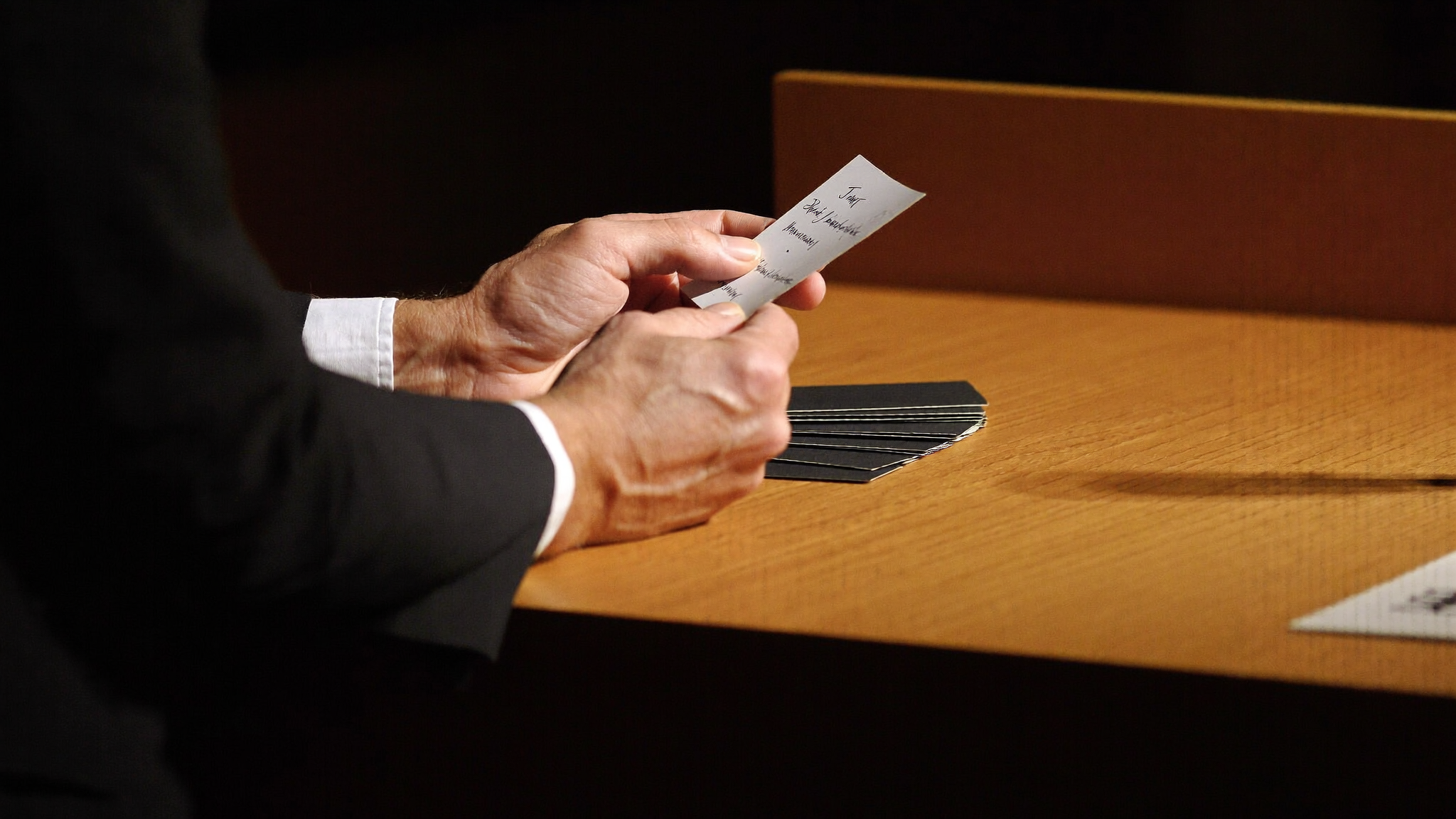
You walk up, lift your notes, and the page is fluttering like a leaf. Shaking hands are one of the most visible — and most embarrassing-feeling — symptoms of speaking nerves. Here's exactly why it happens and, more importantly, what to do about it.
Why your hands shake on stage
When you feel under threat, your body floods with adrenaline. Blood diverts to your large muscles, your heart speeds up, and fine motor control — the steady-hands kind — goes first. The tremor isn’t a malfunction; it’s leftover energy with nowhere to go.
Seven techniques that actually work
The list of steps below uses your body against itself. Each one targets a different link in the adrenaline-to-tremor chain. Use them all the first time, then keep the two that work for you.
When to seek extra help
If physical symptoms are severe enough to make you avoid opportunities entirely, it’s worth talking to a doctor about performance anxiety. For most people, though, the techniques above are enough to take the shake from obvious to invisible.
Burn the adrenaline first
Two minutes of brisk movement — a walk, stairs, or pressing your palms hard against a wall — gives the chemicals somewhere to go before you're on.
Give your hands a job
Hold a clicker, rest them on the lectern, or gesture deliberately. Movement with purpose hides tremor; frozen, mid-air hands amplify it.
Slow your exhale
Breathe out for longer than you breathe in. A long exhale flips your nervous system out of fight-or-flight within a few rounds.

Dr. Maya Ellis
Maya has coached over 4,000 speakers — from terrified students to Fortune 500 execs — and holds a PhD in communication science. She writes the research-backed half of this site and reviews every guide for accuracy.